
The Power of Hydration: Why Meeting Your Water Needs Matters
By Chris Ware, RDN, LDN
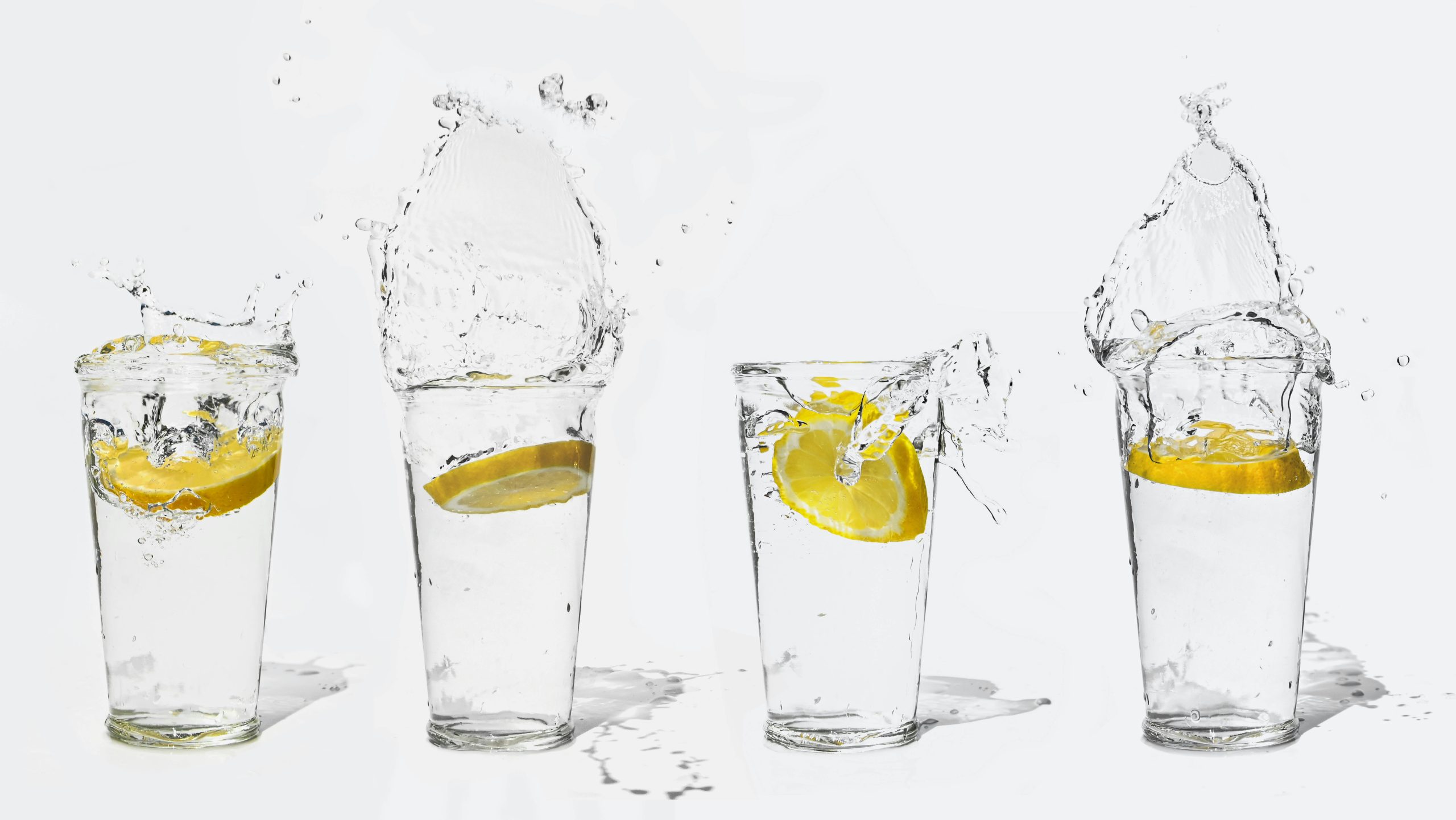
When it comes to improving health, hydration often takes a backseat to food and exercise. But staying adequately hydrated is one of the simplest and most impactful things you can do for your body. Let’s dive into how hydration affects key areas of health, including blood pressure, energy levels, fatigue, and muscle function, and clear up some common myths about water intake.
How Hydration Impacts Your Health
1. Blood Pressure Regulation
Water plays a crucial role in maintaining healthy blood pressure. Proper hydration supports the volume of blood circulating in your body. When you’re dehydrated, blood volume decreases, making your heart work harder to pump blood. This can lead to lower blood pressure initially, but chronic dehydration can contribute to long-term issues such as hypertension as your body compensates by retaining sodium to hold onto water.
2. Boosting Energy and Combating Fatigue
If you’re feeling sluggish or fatigued, dehydration might be the culprit. Water is vital for delivering nutrients and oxygen to your cells, which are the building blocks of your energy production. Even mild dehydration can slow down these processes, leaving you feeling tired and less alert.
3. Supporting Muscle Function
Muscles are about 75% water, so staying hydrated is essential for their performance. Without enough water, your muscles may cramp or become weak, and recovery after exercise can be slower. Proper hydration also helps regulate electrolytes like sodium and potassium, which are critical for muscle contractions.
How Much Water Should You Drink Each Day?
The often-cited “8 glasses a day” rule is a general guideline, but individual water needs vary. Factors such as activity level, climate, and body size all play a role. While muscle mass does influence hydration needs to some extent (muscle holds more water than fat), the primary driver is overall body size and activity level rather than muscle mass alone.
A good starting point is the Institute of Medicine’s recommendation of about 3.7 liters (125 ounces) of water per day for men and 2.7 liters (91 ounces) for women, including water from food and beverages. Listening to your body’s thirst cues and monitoring urine color—aiming for a pale yellow—can also help you gauge your hydration status.
Understanding Daily Water Loss
Your body loses water continuously through various processes:
- Urination and Bowel Movements: These account for the largest share of water loss, typically about 1.5 liters per day for a healthy adult.
- Skin and Breathing: Around 0.5 to 1 liter of water is lost daily through perspiration and respiration, even when you’re not exercising. This is known as insensible water loss, as it’s not noticeable.
- Sweat: Sweat loss can vary widely depending on physical activity and environmental conditions. On average, people lose about 0.5 to 1 liter per hour of exercise, but this can increase significantly in hot, humid conditions.
Hydration Tips for Everyday Life
- Start Early: Drink a glass of water first thing in the morning to rehydrate after sleep.
- Spread It Out: Aim to sip water throughout the day rather than chugging large amounts all at once.
- Eat Water-Rich Foods: Foods like cucumbers, watermelon, and oranges contribute to your hydration.
- Adjust for Activity and Climate: Increase your water intake when exercising or in hot weather to account for additional losses.
The Bottom Line
Meeting your hydration needs is a cornerstone of good health. It helps maintain stable blood pressure, enhances energy levels, fights fatigue, and supports muscle performance. While water needs are influenced by body size and activity level, staying attuned to your body’s signals and maintaining consistent hydration habits can keep you feeling your best. Remember, your body is made up of about 60% water—give it what it needs to thrive!
Insights from IM | Health physician Dr. Tucker, MD
- Drink to thirst. Particularly when exercising rather than on a preset schedule.
- Monitor color of urine as a hydration gauge. Goal would be pale yellow.
- If a change in urinary frequency is noted without an explanation such as change in fluid intake seeking evaluation may be warranted. Diseases such as diabetes can cause an increase in urination and prostate enlargement can make urinating more difficult.