
Debunking the Myths Behind Exercise and Body Composition
By Chris Ware, RDN, LDN
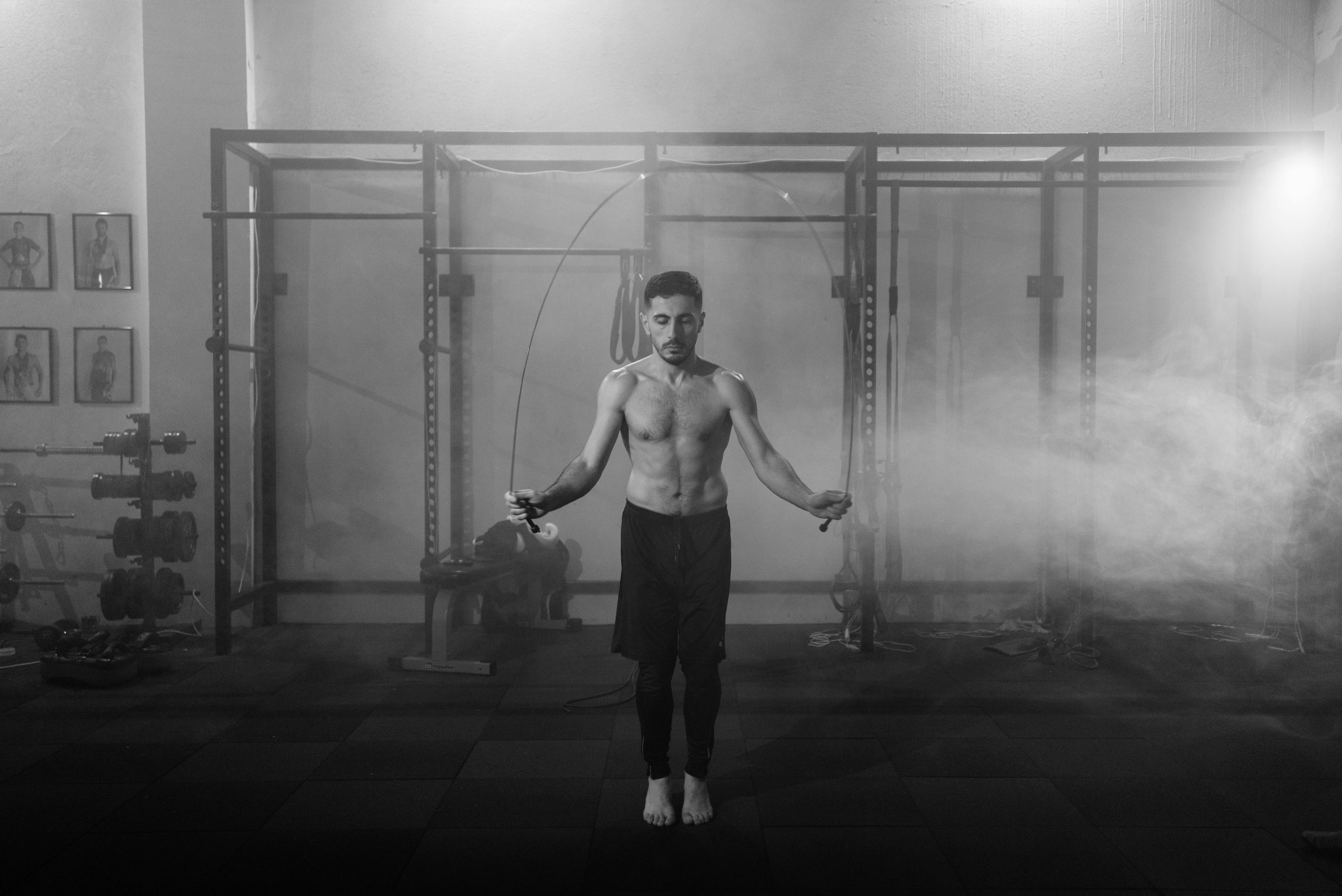
Tired of endless crunches and no results?
You’re not alone.
Countless people hit the gym daily, hoping to sculpt their ideal body, only to be met with disappointment.
The truth is, shedding those stubborn pounds isn’t as simple as targeting specific areas. It’s time to separate fact from fiction.
In this post, we’ll debunk common exercise myths and reveal the science-backed strategies for achieving your body composition goals. Let’s get real about exercise and fat loss.
Myth 1: You can reduce fat in a specific spot by exercising that area of the body
The Truth: Performing endless crunches won’t magically eliminate abdominal fat. Exercise contributes to overall fat loss through a complex interplay of physiological factors.
Ultimately, reducing body fat requires consuming fewer calories than you expend. This principle holds true regardless of whether you follow a high-fat, low-carb, fasting, vegan, or any other diet.
Myth 2: Exercising fasted on an empty stomach burns more fat.
The Truth: Research suggests that while fasted cardio may indeed increase fat oxidation during the workout, it doesn’t significantly impact total fat loss compared to fed-state cardio when caloric intake is equated.
Actually, exercising in a fasted state may compromise workout intensity and performance, potentially leading to diminished calorie expenditure. https://www.ncbi.nlm.nih.gov/pmc/articles/PMC4242477/
Myth 3: If I lift weights, I’ll get bulky.
The Truth: Lifting weights is one piece of the puzzle in building significant muscle mass.
First, consider your intensity, frequency, and total volume of work conducted with weight training. Unless there is a strong enough stimulus to promote muscle growth, it’s not likely that you will spur massive muscles.
Nutrition is another critical factor in gaining muscle mass. To become bulky, one needs to consume more calories than they burn. Without a calorie surplus and adequate protein and carbohydrate intake within that surplus, significant muscle gain is unlikely.
It is recommended to conduct 150 minutes of aerobic activity weekly and weight bearing exercise involving all muscle groups 2x per week.
Editor’s Note:
At any fitness level, eating a well-balanced diet that meets YOUR needs will greatly enhance lean body composition outcomes and supplement your exercise. Unsure of what your balance is?Schedule a consultation with our Registered Dietitian to understand your needs and develop a plan for meeting your goals.
Schedule through IM | Health Family Practice: 610-688-8807