What Every Woman Needs to Know About Bone Health
By IM | Health Staff
Your bones are your body’s foundation—but are you doing enough to keep them strong? Osteoporosis (a condition that weakens bones and increases fracture risk) affects millions of women, often without any warning signs until a fracture occurs. The good news? You can take action now to protect your bone health for the future.
Why Bone Health Matters
Bone is living tissue, constantly breaking down and rebuilding. But as we age, the rebuilding process slows down. Women reach peak bone mass by their late 20s to early 30s, and by age 40, bone loss gradually begins. After menopause, women can lose up to 20% of their bone density within the first 5-7 years due to declining estrogen levels. That’s why 50% of women over 50 will experience an osteoporosis-related fracture.
Are You at Risk?
Even if you feel strong today, certain factors can increase your risk of osteoporosis:
- Being female (women are at a higher risk than men)
- Small body frame (less bone mass to begin with)
- Family history of osteoporosis
- Low calcium and vitamin D intake
- Lack of weight-bearing exercise
- Smoking and excessive alcohol consumption
- Early menopause or hormonal changes
How to Strengthen Your Bones Now
The best way to prevent osteoporosis? Start strengthening your bones today!
✔ Eat for strong bones. Make sure your diet includes calcium-rich foods like dairy, leafy greens, almonds, and fortified plant-based options. Vitamin D is just as important—your body needs it to absorb calcium. Get it from sunlight, fatty fish, eggs, or supplements if needed.
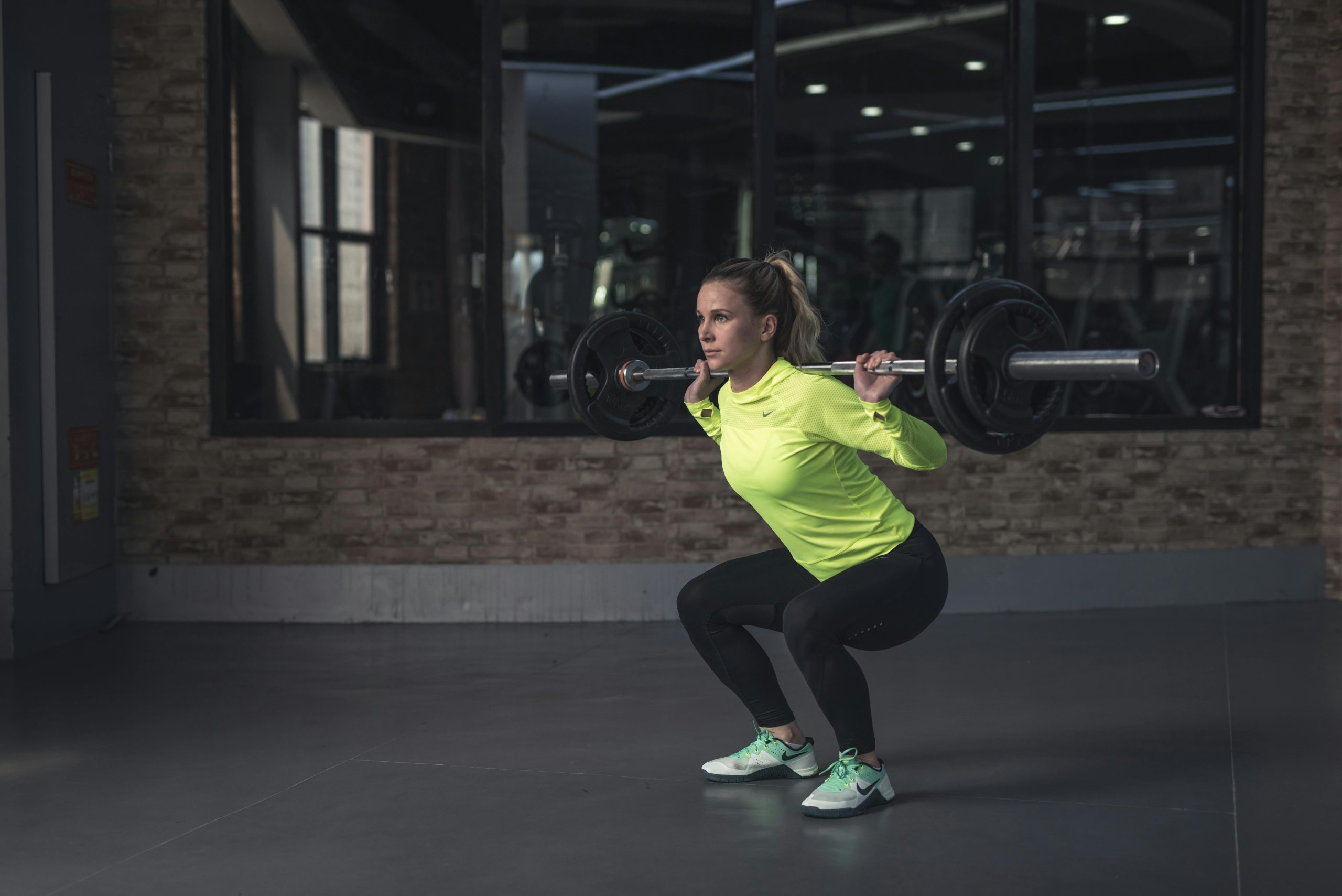
✔ Prioritize strength training. Lifting weights isn’t just for muscle—it also stimulates bone growth. Weight-bearing exercises like squats, lunges, and resistance training help prevent bone loss and even build new bone. Aim for at least 2-3 days per week of strength training.
✔ Stay active with impact exercises. Walking, hiking, dancing, and even jumping exercises help keep bones strong. If you’ve been avoiding impact, low-impact strength training and balance work can help maintain stability and prevent falls.
✔ Limit bone-depleting habits. Too much caffeine, alcohol, and smoking can weaken bones over time. Swap that extra cup of coffee for a calcium-rich snack, and stay hydrated with water instead of sugary drinks.
When Should You Get Screened?
Bone density testing (DEXA scan) is the best way to assess your bone health. While it’s typically recommended for women age 65+, you may need one earlier if you:
- Have risk factors for osteoporosis
- Experienced early menopause
- Had fractures from minor falls
- Have a family history of osteoporosis
If you are concerned, you can call our office at 610-688-8807 to schedule a bone density screening.
Take Control of Your Bone Health
Osteoporosis is preventable and manageable—but early action is key! Whether you’re in your 30s, 40s, or beyond, it’s never too early to start building stronger bones.
At IM | Health, we offer a Functional Fitness Class
A circuit-based class combining resistance training and light cardio to help reduce the effects of osteoporosis and other age-related conditions.
Join us:
Mondays & Thursdays
8:00 AM & 3:00 PM
Call 610-688-8807 to join!