
Movement Is Medicine: Why PT Isn’t Just Rehab
By Lou Legaspi PT, DPT, MS
The Everyday Signals We Brush Aside
Health changes rarely announce themselves with sirens. More often, they whisper.
Maybe your knees feel stiff after sitting at your desk. Maybe you’ve caught your foot on the curb one too many times. Or maybe climbing the stairs takes a little more effort than it used to.
None of these feel like emergencies. They don’t stop you from going to work, grocery shopping, or walking the dog. But they are signals. Small ones, yes—but if ignored, they often become the things that do interfere with daily life.
A Different Way to Think About PT
Most people only picture physical therapy as something you do after something bad happens:
- A surgery that requires months of rehab
- A sports injury that won’t heal on its own
- A major accident that limits mobility
At IM | Health, we believe that definition is far too narrow. Physical therapy is about movement—and movement underpins everything else about your health. From carrying groceries to chasing your kids (or grandkids), from sleeping without stiffness to maintaining balance on uneven ground—it all comes back to how well your body moves.
PT is not just for recovery. It’s for prevention, performance, and everyday independence.
Why Waiting Costs You More Than Time
Here’s the tricky part: when you wait until problems are “bad enough,” you’re already in reactive mode.
Take the example of balance. A little wobbliness doesn’t feel urgent—until it leads to a fall. By then, you’re not only dealing with PT, but possibly surgery, medication, or a hospital stay.
Or think about chronic aches. The shoulder that feels “just stiff” can, over years, turn into a frozen shoulder that limits how you dress, reach, or even sleep.
It’s far easier—and far less costly—to address these early signs than to undo damage later.
What PT Looks Like Here at IM | Health
Because we bring primary care, dietetics, physical therapy, and training all under one roof, PT doesn’t live in isolation. That means:
- Movement Assessments: PTs can evaluate how your joints, muscles, and balance are working before pain escalates.
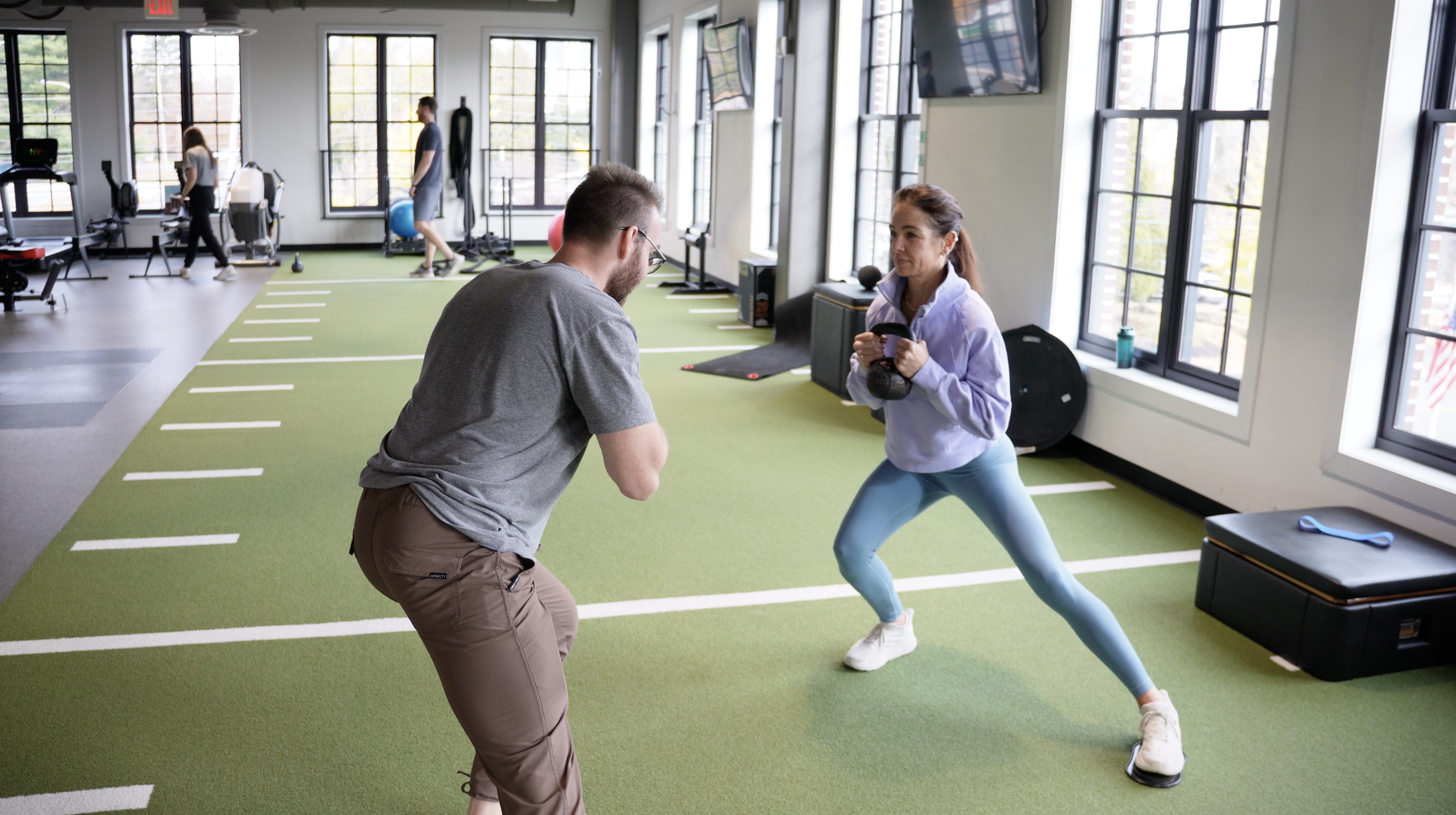
- Strength & Mobility Training: Targeted exercises tailored to your goals—whether that’s climbing stairs with ease or getting through your workday without pain.
- Fall Prevention: Balance programs designed to keep you steady and safe.
- Integration with Your Doctor and Dietitian: When your body, nutrition, and health goals are aligned, progress is faster and more sustainable.
And because everything is in-house, your doctor can connect you directly to PT—saving you the hassle of outside referrals, phone calls, and extra travel.
When to Bring It Up with Your Doctor
Here are some conservative, practical reasons worth mentioning at your next appointment:
- Stiffness that limits daily activities
- Ongoing aches or pains that aren’t improving
- Loss of balance or reduced confidence walking
- Weakness after illness, injury, or surgery
- Difficulty keeping up with activities you enjoy
Your doctor is the perfect entry point. These conversations don’t need to feel dramatic—sometimes it’s just saying, “My shoulder feels tighter than it used to. Do you think PT could help?”
A Quick Self-Check at Home
If you’re curious whether PT might benefit you, try these two simple tests:
- Sit-to-Stand Test: Can you rise from a chair without using your hands? If not, your leg strength might need attention.
- One-Leg Balance Test: Can you stand on one leg for 10 seconds without holding on? If not, your balance could use some support.
Struggling with either isn’t a sign of failure—it’s a sign that there’s room to strengthen and protect your mobility before it becomes a limitation.
Why This Matters in the Long Run
Think ahead five, ten, or twenty years. What do you want daily life to look like?
- Do you want to travel without worrying about keeping up?
- Do you want to garden, play with grandchildren, or stay active in your community?
- Do you want to avoid preventable surgeries, medications, or long recovery periods?
These outcomes don’t happen by chance. They come from the choices we make now—choosing to address stiffness, strengthen weakness, and steady balance before they spiral into setbacks.
A Takeaway to Keep in Mind
Your health is like a bank account. Every time you stretch, strengthen, or move intentionally, you’re making a deposit. Every time you ignore pain, skip movement, or “push through,” you’re making a withdrawal.
Physical therapy is one way to keep that account growing—so you can keep cashing in on an active, independent life down the road.
Closing Thought
PT isn’t about becoming an athlete (unless you want to). It’s about protecting your everyday independence. About listening to the whispers of your body before they become shouts. And about knowing you have a team right here—doctors, dietitian, physical therapists, and trainers—who can guide you through it, all in one place.